

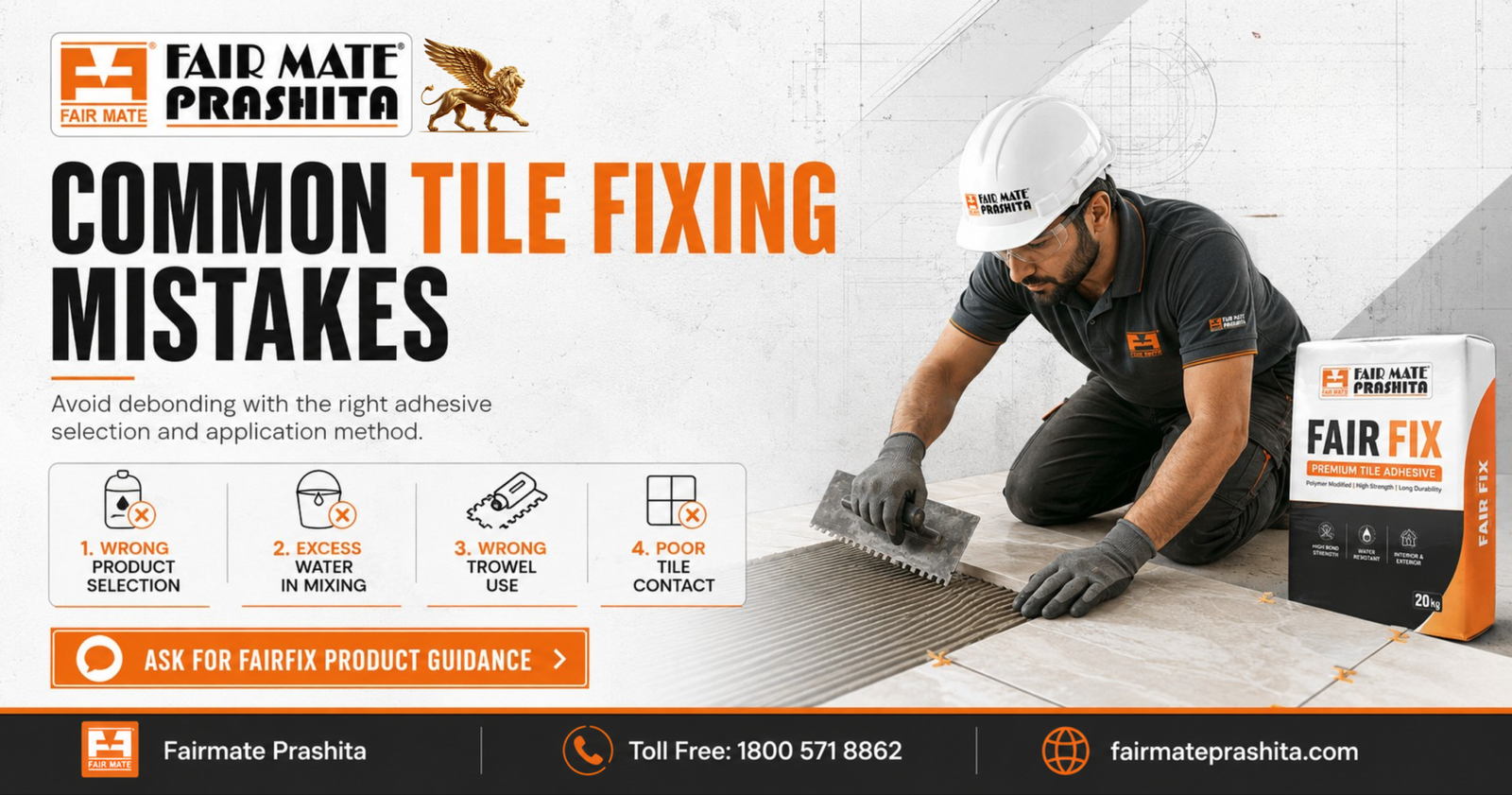
Avoid debonding with the right adhesive selection and application method. FairFix Tile Adhesive Solutions Fairmate Prashita | 1800 571 8862

Common Tile Fixing Mistakes That Cause Debonding and How to Avoid Them

Common tile Fixing Mistakes That Cause Debonding and How to Avoid Them

Tile debonding is one of the most common complaints in tile installation work. A tile may look properly fixed on the first day, but after some time, problems such as hollow sound, loose tiles, cracked joints, water seepage, uneven levels or complete tile failure may appear.

In many cases, the problem is not only with the tile. The real reason is often poor surface preparation, wrong adhesive selection, incorrect mixing, improper bedding or careless application technique.

For contractors, applicators, builders and dealers, understanding these mistakes is important because tile fixing quality directly affects project finish, customer satisfaction and long-term site performance.

Fairmate Prashita’s FairFix tile adhesive and mortar solutions are designed to support better bonding, cleaner application and more controlled site work when used with the right application method.

Why Tile Debonding Happens

Tile debonding means the tile loses proper bond with the surface below it. This can happen on floors, walls, bathrooms, kitchens, balconies, commercial spaces and renovation projects.

Common signs of tile debonding include:

  • Hollow sound when tapping tiles
  • Loose or lifted tiles
  • Cracked grout joints
  • Tile edges opening
  • Water entering below the tile
  • Uneven tile level
  • Repeated repair complaints

Debonding usually happens when the adhesive layer does not create strong contact between the tile and the substrate. This can happen due to product selection mistakes or application mistakes.

Mistake 1: Poor Surface Preparation

Surface preparation is one of the most important steps in tile fixing. If the surface is dusty, oily, weak, uneven or loose, the adhesive will not bond properly.

Many applicators start tile fixing without checking whether the surface is clean and sound. This can reduce bonding strength and create future tile failure.

How to Avoid It

Before applying tile adhesive:

  • Remove dust and loose particles
  • Clean oil, grease or paint contamination
  • Repair weak or damaged areas
  • Check surface level
  • Ensure the substrate is strong and stable
  • Avoid applying adhesive on loose plaster or weak screed

A clean and strong surface gives the tile adhesive better contact and improves bonding performance.

Mistake 2: Using Cement Mortar for Every Tile Application

Traditional cement-sand mortar is still used on many sites, but modern tiles and modern construction requirements need better bonding control. Cement mortar quality depends on site mixing, sand quality, water addition and workmanship. These factors can vary from site to site.

For vitrified tiles, large tiles, wet areas, renovation work or commercial projects, relying only on conventional mortar may not give the desired performance.

How to Avoid It

Use the right tile adhesive system based on tile type, tile size and application area. FairFix tile adhesive solutions from Fairmate Prashita support better bonding control, cleaner application and more consistent site performance compared to uncontrolled site mixing.

For routine tile fixing, FairFix TA STD can be considered as a practical tile adhesive solution. For higher-performance requirements, upgraded FairFix adhesive options may be recommended after technical guidance.

Mistake 3: Adding Too Much Water During Mixing

Excess water is a common mistake during tile adhesive preparation. Applicators sometimes add extra water to make the paste more workable. However, too much water can weaken the adhesive mix and affect bonding performance.

A watery mix may look easy to apply, but it can reduce strength, increase shrinkage and create poor tile contact.

How to Avoid It

Always follow the recommended water ratio given in the product technical data sheet. Add powder slowly into clean water and mix until a smooth, lump-free paste is formed.

Avoid:

  • Adding water again and again
  • Making the mix too thin
  • Using dirty water
  • Mixing without proper consistency
  • Using material after its workable time

Correct mixing supports better adhesive performance and easier application.

Mistake 4: Not Using a Notched Trowel

Using a flat trowel only or applying adhesive unevenly can create poor bedding below the tile. Without proper ridges, the tile may not get full contact with the adhesive bed.

This can lead to hollow sound, weak bonding and future debonding.

How to Avoid It

Use a suitable notched trowel based on tile size and surface condition. First spread the adhesive with the flat side of the trowel, then comb it using the notched side.

This helps create uniform adhesive ridges and improves tile contact when the tile is pressed properly.

Mistake 5: Spreading Too Much Adhesive at Once

Tile adhesive has an open time. If adhesive is spread over a large area and tiles are not placed quickly, the surface of the adhesive may start drying. Once this happens, bonding performance can reduce.

This mistake is common on large floor areas where applicators try to cover more area quickly.

How to Avoid It

Apply adhesive only on the area that can be tiled within the recommended open time. Avoid spreading adhesive too far ahead of tile placement.

Work in smaller sections and keep checking adhesive freshness before placing tiles.

Mistake 6: Poor Tile Contact

After placing the tile, it must be pressed properly into the adhesive bed. If the tile is only placed lightly without proper pressure and movement, full contact may not happen.

Poor contact creates empty areas below the tile. These areas can later cause hollow sound or tile breakage under load.

How to Avoid It

After placing the tile:

  • Press it firmly
  • Move slightly to ensure contact
  • Use spacers for uniform joints
  • Check tile level
  • Lift one tile occasionally to confirm adhesive coverage
  • Avoid leaving voids below the tile

Proper tile contact is critical for strong bonding and long-term performance.

Mistake 7: Ignoring Tile Type and Tile Size

Every tile is not the same. Ceramic tiles, vitrified tiles, large-format tiles, glass mosaics and stone tiles can have different bonding requirements.

Using the same adhesive or same method for every tile type can create performance issues.

How to Avoid It

Before starting tile work, check:

  • Tile size
  • Tile weight
  • Tile back surface
  • Water absorption
  • Application area
  • Interior or exterior exposure
  • Floor or wall use
  • Wet or dry area

Select the FairFix tile adhesive grade based on the actual site requirement. For routine work, FairFix TA STD may be suitable. For more demanding applications, ask for technical guidance before product selection.

Mistake 8: Applying on Uneven Surface

If the substrate is uneven, applicators may try to correct the level using extra adhesive thickness. This can create uneven drying, poor bedding and weak performance.

Tile adhesive should not be used as a replacement for proper surface levelling unless the product recommendation allows it.

How to Avoid It

Correct major surface unevenness before tile fixing. Ensure the substrate is properly levelled, cured and prepared before applying adhesive.

A level surface improves adhesive coverage, tile alignment and finish quality.

Mistake 9: Early Grouting or Early Loading

Grouting too early or allowing foot traffic before the adhesive has set properly can disturb the tile bond. This can cause movement, joint cracks or weak bonding.

How to Avoid It

Allow proper setting time before grouting or loading the tiled area. Follow the product recommendation for setting time and grouting time.

Avoid rushing the process, especially in areas where performance and finish are important.

Mistake 10: Not Taking Product Guidance

Many site problems happen because the same product is used for all applications without technical checking. For example, bathroom tiles, swimming pool tiles, external cladding, tile-on-tile work and heavy traffic areas may need different adhesive performance.

How to Avoid It

Before selecting tile adhesive, contractors and dealers should take product guidance based on tile type, surface and application area.

Fairmate Prashita provides technical support to help select the right FairFix solution for site requirements.

How FairFix Tile Adhesive Solutions Help

FairFix tile adhesive and mortar products are designed to support practical site performance for contractors, applicators and builders.

FairFix solutions can help with:

  • Better tile bonding support
  • Cleaner site application
  • Prepacked product consistency
  • Easy mixing and application
  • Reduced dependence on uncontrolled site mixing
  • Contractor-friendly use
  • Product selection support for different applications

For everyday tile fixing, FairFix TA STD can be positioned as a practical adhesive option. FairFix Mortar can support routine tile fixing and mortar work. For demanding applications, higher-grade FairFix solutions can be recommended after technical evaluation.

Basic Correct Tile Adhesive Application Method

For better bonding, follow these basic steps:

  1. Clean the surface properly.
  2. Remove dust, oil, grease and loose material.
  3. Check whether the surface is level and strong.
  4. Mix FairFix tile adhesive with clean water as recommended.
  5. Avoid adding excess water.
  6. Use a notched trowel for adhesive application.
  7. Apply adhesive only within workable area.
  8. Press tiles properly into the adhesive bed.
  9. Use spacers and check level.
  10. Clean excess adhesive before hardening.
  11. Allow proper setting before grouting or loading.

Correct product selection and correct application both are necessary for durable tile fixing.

Conclusion

Tile debonding is not a small issue. It can lead to repair cost, customer complaints, site delays and loss of trust. Most debonding problems can be reduced by avoiding common tile fixing mistakes and using the right adhesive system.

Contractors should not depend only on traditional methods for every tile application. Modern tile fixing needs better surface preparation, correct mixing, proper bedding and suitable tile adhesive selection.

FairFix tile adhesive and mortar products from Fairmate Prashita help contractors, applicators, builders and dealers choose a more controlled and reliable solution for tile bonding work.

Need help selecting the right FairFix product for your site?

Call Fairmate Prashita for product guidance: 1800 571 8862
Visit: www.fairmateprashita.com

Epoxy flooring for warehouses & Factories

Epoxy Flooring for Warehouses and Factories: Complete Selection Guide

Warehouse and factory floors are exposed to continuous movement, heavy loads, machinery, forklifts, pallet trucks, chemicals, oil stains, dust, abrasion, and regular cleaning. A weak or untreated concrete floor can quickly become dusty, uneven, stained, and difficult to maintain.

This is why epoxy flooring for Warehouses has become one of the most preferred industrial flooring solutions for warehouses, factories, production units, logistics centers, workshops, and commercial industrial spaces. A properly selected epoxy flooring system can improve surface durability, hygiene, maintenance, appearance, and long-term floor performance.

Fairmate Prashita provides industrial flooring solutions designed to support factory owners, architects, engineers, contractors, and project teams in selecting the right flooring system based on actual site conditions.


Why Flooring Selection Matters in Warehouses and Factories

Industrial floors are not just walking surfaces. They directly affect productivity, safety, movement, cleaning, and maintenance cost.

In warehouses and factories, poor flooring may lead to:

  • Concrete dusting
  • Surface wear and abrasion
  • Cracks and uneven patches
  • Difficult cleaning
  • Staining from oil or chemicals
  • Reduced floor life
  • Maintenance shutdowns
  • Poor appearance of the facility

A suitable epoxy flooring system helps protect the concrete substrate and creates a stronger, cleaner, and more professional floor surface.


What Is Epoxy Flooring?

Epoxy flooring is a resin-based flooring system applied over prepared concrete surfaces. It forms a seamless, hard-wearing, and durable protective layer that improves the performance of the floor.

Epoxy flooring is commonly used in:

  • Warehouses
  • Factories
  • Manufacturing units
  • Food processing areas
  • Pharmaceutical facilities
  • Automobile workshops
  • Logistics centers
  • Industrial plants
  • Parking and service areas
  • Heavy-duty movement zones

Depending on the site requirement, the epoxy system may vary in thickness, finish, chemical resistance, anti-skid properties, and load-bearing performance.


Key Benefits of Epoxy Flooring for Warehouses and Factories

1. High Traffic Resistance

Warehouses and factories face regular movement of workers, trolleys, forklifts, and material handling equipment. Epoxy flooring helps create a durable surface that can withstand industrial traffic better than untreated concrete.

2. Dust-Free Surface

Concrete dusting is a common issue in industrial floors. Epoxy flooring helps seal the surface and reduce dust generation, making the area cleaner and easier to maintain.

3. Easy Cleaning and Maintenance

A seamless epoxy floor reduces dirt accumulation and allows easier cleaning. This is especially useful for factories, production units, warehouses, and facilities where hygiene and appearance matter.

4. Improved Durability

Epoxy flooring improves surface resistance against abrasion, impact, and general wear. This helps reduce frequent repair and maintenance requirements.

5. Better Floor Appearance

A finished epoxy floor gives a clean, smooth, and premium industrial appearance. It improves the overall look of warehouses, factories, and commercial workspaces.

6. Chemical and Stain Resistance

Many industrial areas are exposed to oils, chemicals, lubricants, and cleaning agents. Depending on the epoxy system selected, the floor can provide better resistance against stains and chemical exposure.


How to Select the Right Epoxy Flooring System

Choosing epoxy flooring should not be based only on appearance. The system must be selected according to the actual use of the area.

1. Understand the Traffic Load

First, identify the type of movement on the floor:

  • Foot traffic
  • Trolley movement
  • Forklift movement
  • Heavy machinery
  • Pallet truck movement
  • Static equipment load

High-load areas require stronger and more durable flooring systems.

2. Check the Condition of Existing Concrete

Before applying epoxy flooring, the concrete surface must be inspected properly. Important checks include:

  • Surface strength
  • Cracks
  • Dusting
  • Oil contamination
  • Moisture level
  • Uneven surface
  • Existing coating condition

A weak or contaminated surface may affect bonding and long-term performance.

3. Consider Surface Preparation

Surface preparation is one of the most important steps in epoxy flooring. Even the best product may fail if the surface is not prepared properly.

Common preparation steps include:

  • Cleaning the surface
  • Removing dust and loose particles
  • Grinding or mechanical preparation
  • Repairing cracks or damaged patches
  • Removing oil or contamination
  • Applying suitable primer where required

Good surface preparation helps improve bonding and floor life.

4. Choose the Required Thickness

Different industrial areas need different flooring thickness. A light-duty warehouse may need a different system compared to a heavy manufacturing unit.

Thickness selection depends on:

  • Traffic intensity
  • Load movement
  • Chemical exposure
  • Expected service life
  • Existing floor condition
  • Cleaning method

5. Decide the Finish

The floor finish should match site requirements. Common finish considerations include:

  • Smooth finish
  • Anti-skid finish
  • Glossy finish
  • Matte finish
  • Decorative finish
  • Line marking compatibility

For areas with water, oil, or chemical exposure, anti-skid properties may be important.

6. Consider Chemical Exposure

If the floor is exposed to chemicals, oils, solvents, or cleaning agents, the epoxy system must be selected accordingly. Chemical-resistant flooring helps protect the concrete surface and improves long-term durability.

7. Plan Maintenance Requirements

A good industrial flooring system should be easy to clean and maintain. Before final selection, the maintenance team should understand:

  • Cleaning frequency
  • Cleaning chemicals used
  • Machine cleaning requirement
  • Repair procedure
  • Expected traffic pattern

Common Areas Where Epoxy Flooring Is Used

Epoxy flooring can be used in multiple industrial and commercial applications, including:

  • Warehouse storage areas
  • Factory production floors
  • Assembly lines
  • Machine rooms
  • Loading and unloading areas
  • Automobile workshops
  • Packaging units
  • Pharmaceutical production areas
  • Food processing units
  • Industrial corridors
  • Maintenance areas

Each area may require a different flooring approach depending on the traffic, exposure, and performance requirement.


Mistakes to Avoid While Selecting Epoxy Flooring

Avoid these common mistakes:

  • Selecting flooring only based on price
  • Ignoring concrete surface condition
  • Applying epoxy on damp or contaminated concrete
  • Skipping surface preparation
  • Using the wrong thickness
  • Not considering traffic load
  • Ignoring chemical exposure
  • Not planning downtime for application
  • Choosing aesthetics over performance

The right epoxy flooring system should balance performance, durability, maintenance, and budget.


Why Choose Fairmate Prashita for Industrial Flooring Support?

Fairmate Prashita supports industrial flooring requirements with practical product guidance and site-focused solutions. Our approach helps contractors, engineers, architects, and factory teams choose flooring systems based on actual application conditions.

Fairmate Prashita industrial flooring solutions support:

  • Warehouses
  • Factories
  • Industrial plants
  • Production areas
  • Commercial floors
  • Heavy traffic zones
  • Maintenance-sensitive facilities

Whether the requirement is dust control, surface protection, chemical resistance, easy cleaning, or premium finish, selecting the right flooring system is important for long-term performance.


Conclusion

Epoxy flooring is a smart solution for warehouses and factories where durability, cleanliness, surface protection, and easy maintenance are required. However, the success of the flooring system depends on correct product selection, surface preparation, application method, and site condition assessment.

For industrial flooring guidance, system recommendation, or site consultation, connect with Fairmate Prashita.

Request Flooring Guide
Toll Free: 1800 571 8862
Website: www.fairmateprashita.com
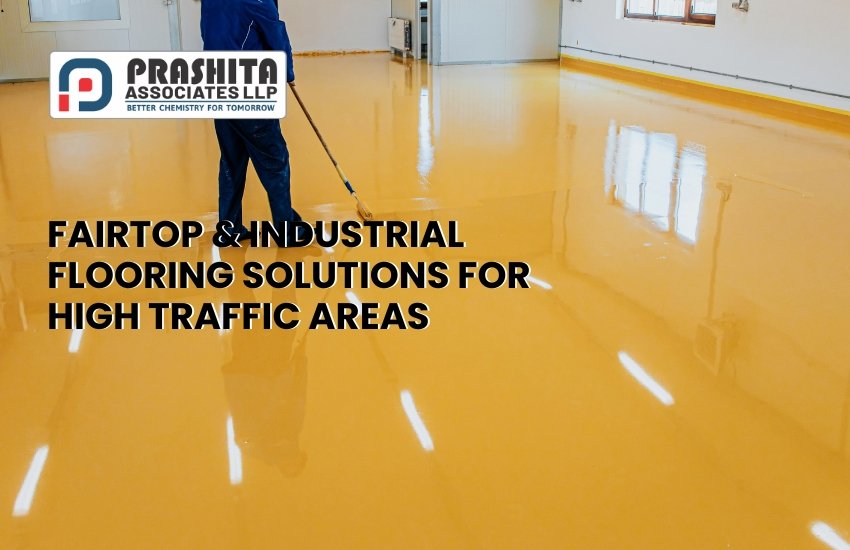
FAIRTOP & Industrial Flooring Solutions for High Traffic Areas

Floors in industrial and commercial spaces endure constant wear — from forklifts, trolley wheels, heavy machinery, and chemical spills. If the floor fails, operations suffer.

That’s why selecting the right industrial flooring system is critical to long-term functionality and safety. At Fairmate Prashita LLP, we provide high-performance flooring solutions through our FAIRTOP product range, tailored to meet the demands of heavy traffic and tough environments.

FAIRTOP is engineered using trusted material science, with formulation roots in Fairmate’s industrial coatings and screeds — refined over decades for strength and endurance.

Why FAIRTOP for Industrial Flooring?

The FAIRTOP flooring systems are:

  • Abrasion-resistant
  • Non-metallic and iron-free
  • Non-slip and anti-skid
  • High compressive strength (up to 800 kg/cm²)
  • Available in eco-safe, solvent-free variants

These floors are ideal for both new builds and refurbishment of manufacturing plants, logistics facilities, loading bays, and garages.

Product Highlights

FAIRTOP STD

A single-pack, non-metallic, smooth-finish, abrasion-resistant flooring compound. Designed for light to medium traffic areas like workshops, stores, and warehouses.

FAIRTOP

A carborundum-based monolithic surface hardener, ideal for medium to heavy-duty areas. It resists oil, water, and impact and is applied as a dry-shake on fresh concrete.

FAIRTOP FAST FLOOR

A self-smoothing, rapid-hardening cementitious screed, allowing foot traffic in just a few hours. Best suited for time-sensitive flooring refurnishments.

FAIRTOP METALLIC

A screedable, iron aggregate topping for ultra-heavy-duty use — often applied in industrial zones with constant impact and abrasion.

Where These Floors Work Best

Application AreaRecommended FAIRTOP Product
Manufacturing floorsFAIRTOP or FAIRTOP METALLIC
Warehouses & depotsFAIRTOP STD / FAST FLOOR
Loading docksFAIRTOP METALLIC
Service garagesFAIRTOP STD
Cold storage areasFAIRTOP FAST FLOOR (fast curing)

Features That Set FAIRTOP Apart

  • Dustproof Finish: Reduces airborne particles in clean or packaging areas
  • Anti-Skid Texture: Enhances workplace safety in wet or oily zones
  • High Hardness: Mho’s scale hardness up to 9 (FAIRTOP)
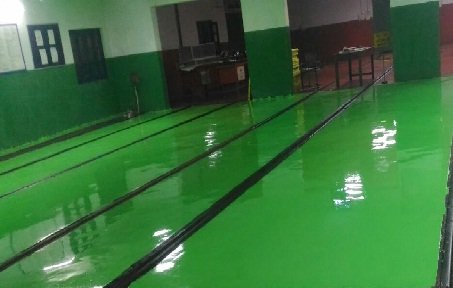
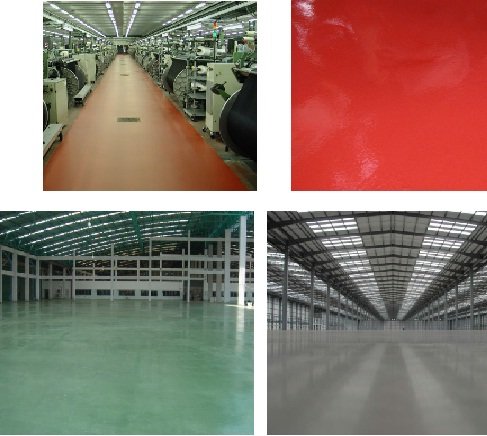
  • Color Options: Available in grey, red, green, and more for zoning or aesthetics
  • Low Maintenance: Longer service cycles between repairs

These flooring solutions are adapted for Indian site conditions and can be customized as per load requirements and finishing needs.

Built on Proven Chemistry

All FAIRTOP flooring systems offered by Prashita are based on proven formulation standards originally developed by Fairmate, ensuring consistency and compliance with ASTM, IS, and BS norms.

We adapt these technologies for your specific projects, supported by our in-house technical team — from specification to post-application support.

Services We Offer Alongside Products

  • On-site substrate assessment
  • Coverage estimation and mix guidance
  • Color and texture recommendations
  • Application supervision for contractors
  • Technical datasheets and warranty options

We work with applicators, architects, and EPC contractors to optimize industrial floor performance and lifespan.

Conclusion

Industrial floors do more than hold weight — they hold your operations together. With FAIRTOP flooring systems from Prashita Associates LLP, you get dependable surface strength, long-term value, and minimal downtime.Engineered using materials with a legacy of reliability from Fairmate’s industrial solutions, our products are tailored to meet your project’s unique wear and durability needs.


EPOAQUA SL

Is it possible to have a water vapour permeable system which gives excellent waterproofing to the substrate?
Yes absolutely, Our EPOAQUA SL product is water based epoxy, water vapour permeable system.

It is known that concrete surface has some water which does not bond with the cement and is later evaporated due to the hydration process. The pores that remains intact after this water is evaporated or after the hardening of concrete can collect water again due to various reasons such as poor plumbing or soil moisture content or even rain fall etc. This collected water is again evaporated due to the equilibrium reached with the exposed surrounding. This process of achieving equilibrium will rather continue if there is increase or decrease in relative humidity of the ambient air.
This situation of moisture content present in pours when try to escape after the coating is applied can cause bubbles on the surface before hardening. It can also reduce adhesion of the coating to the substrate. To avoid these situations to occur it is required that the floor topping allows the surface to breathe and allow easy evaporation of the water vapour from the substrate but at the same time protect the substrate from liquid water.

Such flooring system can be effective on humid substrates. These floorings due to its ability to allow the substrates to breath can help it to have

PRODUCT
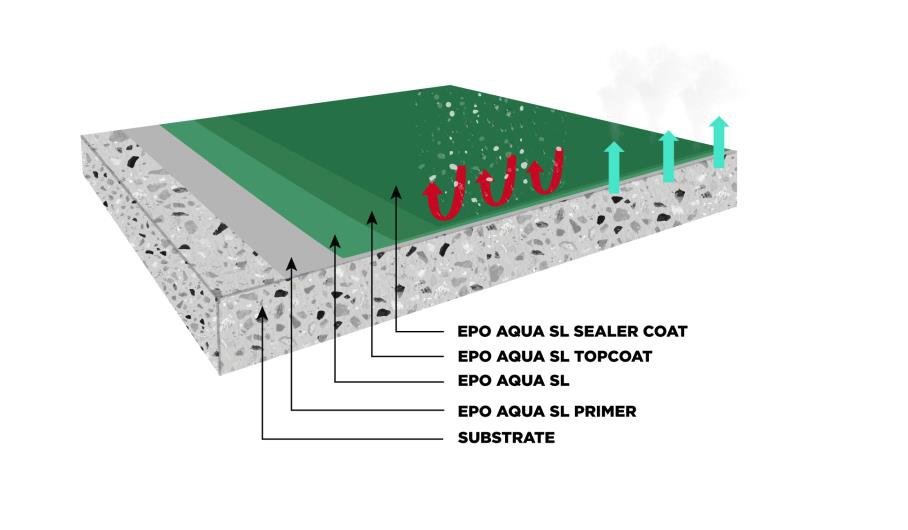
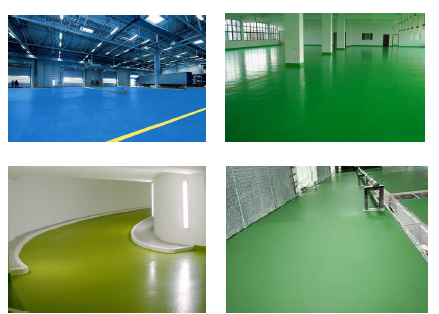
EPOAQUA SL is a water vapour permeable epoxy advanced resin based flooring system. It is a complete system in itself, having low odour, low emission, hard-wearing, water-proofing surface with good mechanical and chemical properties. It is available in a wide colour range. The ideal thickness of the layer is between 2mm to 4mm.

EPOAQUA SL is very economic product and can be applied very easily. The system consist of Primer, Base Coat, Top coat and Sealer coat of the same series.

Firstly it is required to prepare the surface before application of primer. The surface must be free from any kind of contamination such as oil, grease, surface treatment, and coatings etc. The surface must be mechanically prepared for proper gripping and any kind of holes or voids shall be fully exposed. Any kind of loose material or dust can be removed using a brush or vacuum.

EPOAQUA SL PRIMER shall be applied using a brush, roller or airless spray. It is available in two components base and hardener which is required to be mechanically mixed for a minimum of 3 minutes before application.

Next apply EPOAQUA SL BASE COAT which is a three component material containing base, hardener and aggregates. The base coat is applied by spreading the mixed material in desired thickness evenly using a notch trowel.

Apply EPOAQUA SL TOP COAT a two component material consisting base and hardener. It is mixed well and spread evenly in required thickness using a notch trowel.
Apply EPOAQUA SL SEALER COAT after the top coat. It is a two component material which is mixed properly using mechanical method and applied using a brush or a roller.
The above mentioned system is essential to be followed to achieve the water vapour permeable flooring.

SALIENT FEATURES:

 High water vapour permeability
 Low emission, complies with green environmental requirements
 Prevents osmotic blistering of resin based coatings over damp substrates
 Economical and fast, easy application
 Good self levelling properties and joint less
 Frost and de-icing salt resistant
 Good abrasion & chemical resistance
 Hygienic, non-porous and liquid tight
 Thermal expansion properties similar to concrete
 Excellent bond to green or hardened concrete whether damp or dry
 Excellent early and final mechanical strengths
 Excellent resistance to water and oils
 Contains no solvents, VOC free
 Available in wide range of colours
 Very good colour stability(indoor)

POLYURETHANE FLOORING

We must remember that no other surface in a building takes more abuse than floors, regardless of the type of building, be it industrial or commercial. While a bare concrete floor can withstand tremendous weight and pressure, it is relatively porous and susceptibility to significant damage when left untreated or uncoated. If exposed to regular foot traffic or the demands of a commercial environment, concrete will readily absorb dirt, chemicals, oils and other spillages. This often results in stains, cracks and abrasions that can make the floor impossible to clean and unattractive in appearance. Hence all concrete floors need some sort of protection regardless of where they are located. Over the last few years, the protection of concrete floors has gone from essentially nothing to a fairly sophisticated process of some type of protective coating or surfacing. The main purpose is to provide protection to the slab from deterioration or contamination or to provide some added benefits such as aesthetics, wear, non skid, chemical resistance, ease of maintenance and different other properties. How to choose the protective material for concrete floor in different conditions?

Whether you are constructing a new concrete floor or revamping an old one, there are different coatings you can choose to finish the project. We are focusing on coatings that are bonded directly to the surface and offer long term protection and may or may not have some aesthetic value.

Typical coatings that are mostly used for concrete floors include polyurethane & epoxy.
Polyurethane (PU) flooring has some added advantages over epoxy flooring which are as follows.
a) Flexible in nature
b) UV resistant
c) Seamless
d) Slip resistant
e) Abrasion resistant
f) Scratch resistant
g) Higher temperature resistant

Fairmate has the following products in PU flooring category
01. FAIRSCREED PUSL HIGH BUILD

It is self leveling underlayment of thickness 2mm to 5mm for PU flooring which is having the following advantages.
 Good leveling properties
 Solvent free
 Fast & easy application
 Economical
 Durable
 Suitable Undercoat screed for variety of PU top coats
 Good chemical resistance
 Excellent adhesion property to concrete

02. SAFECORE PU

It is PU self leveling of thickness up to 0.500 mm

It has the following advantages
 Available in attractive & pleasant RAL colours
 Excellent chemical resistance
 Easily applied by brush or roller
 Excellent protective properties
 Good resistance to abrasion
 Non dusting & totally seal the concrete surface preventing dusting
 Resistance to thermal shocks

For more details, Contact at Ph.: +91-265-2331193, 2358173, 2330803

Toll Free: 1800 12345 34 or visit www.fairmate.com, email: enquiry@fairmate.com

POLYURETHANE FLOORING

We must remember that no other surface in a building takes more abuse than floors, regardless of the type of building, be it industrial or commercial. While a bare concrete floor can withstand tremendous weight and pressure, it is relatively porous and susceptibility to significant damage when left untreated or uncoated. If exposed to regular foot traffic or the demands of a commercial environment, concrete will readily absorb dirt, chemicals, oils and other spillages. This often results in stains, cracks and abrasions that can make the floor impossible to clean and unattractive in appearance. Hence all concrete floors need some sort of protection regardless of where they are located. Over the last few years, the protection of concrete floors has gone from essentially nothing to a fairly sophisticated process of some type of protective coating or surfacing. The main purpose is to provide protection to the slab from deterioration or contamination or to provide some added benefits such as aesthetics, wear, non skid, chemical resistance, ease of maintenance and different other properties. How to choose the protective material for concrete floor in different conditions?

Whether you are constructing a new concrete floor or revamping an old one, there are different coatings you can choose to finish the project. We are focusing on coatings that are bonded directly to the surface and offer long term protection and may or may not have some aesthetic value.

Typical coatings that are mostly used for concrete floors include polyurethane & epoxy.
Polyurethane (PU) flooring has some added advantages over epoxy flooring which are as follows.

a) Flexible in nature
b) UV resistant
c) Seamless
d) Slip resistant
e) Abrasion resistant
f) Scratch resistant
g) Higher temperature resistant

Fairmate has the following products in PU flooring category

01. FAIRSCREED PUSL HIGH BUILD

It is self leveling underlayment of thickness 2mm to 5mm for PU flooring which is having the following advantages.

• Good leveling properties
• Solvent free
• Fast & easy application
• Economical
• Durable
• Suitable Undercoat screed for variety of PU top coats
• Good chemical resistance
• Excellent adhesion property to concrete

02. SAFECORE PU

It is PU self leveling of thickness up to 0.500 mm

It has the following advantages

• Available in attractive & pleasant RAL colours
• Excellent chemical resistance
• Easily applied by brush or roller
• Excellent protective properties
• Good resistance to abrasion
• Non dusting & totally seal the concrete surface preventing dusting
• Resistance to thermal shocks

FAIRTOP FAST FLOOR MICRO

CEMENTITIOUS, SEAMLESS, SELF SMOOTHING, FAST DRYING, THIN SECTION FLOORING SYSTEM

Description

FAIRTOP FAST FLOOR MICRO is a pre-blending compound having selected cements, hard wearing graded aggregates modified with special polymers and flow agents. It is supplied as a dry powder which requires only the addition of water to produce a self-smoothing, free flowing material.

Benefits
• Achieves exceptional drying and curing times while at the same time delivering a strong level platform.
• Suitable for repairs of old floors and toppings for new floor.
• Thermal expansion properties similar to concrete.
• Suitable for thickness’ ranging from 1 to 2 mm.
• Impervious to liquids but permeable to water vapor.
• Provides Hygienic, aesthetic, non-porous and a dust free floor.
• Dimensionally stable and can be installed in a large area.
• Impact and vibration resistant
• Non-shrinking & anti skid
• Long life &Maintenance free
• Facilitates easy cleaning
• Easy, simple and economical in application

Recommended Uses
FAIRTOP FAST FLOOR MICRO is suitable for use in Industrial ware houses, factories, & suitable for use in schools and hospitals, commercial buildings, up grading and refurbishing of existing internal concrete slabs. It can also be suitable for use in car parking and light to medium engineering operations.

Application Instructions
The preparation of the concrete is of vital importance for the effective use of this product. Concrete must be firm, hard and free from old coatings, concrete laitance and any contaminants which may impair adhesion. The concrete must have a profiled textured surface, which can be achieved by captive shot blasting, grinding or milling. For areas, which are contaminated by oil and grease, HCA (Hot compressed air) treatment may be
required. All dust and debris must be vacuumed away to leave a clean and dust free surface.

Priming
Priming is required and undertaken with FAIRCRETE SB(L) – an acrylic primer. Apply two coats of primer by roller, brush or spray. Apply the primer to the prepared surface and allow drying. (Normally overnight). For the second coat, dilute one part FAIRCRETE SB(L) to three parts water and apply to the previous coat. Allow to become touch dry before application of FAIRTOP FAST FLOOR MICRO.

Mixing
FAIRTOP FAST FLOOR MICRO is mixed applied by specialist mixer /pump. Measure 3.6 liters cool, potable water, into a suitable sized mixing vessel and mix full bag of FAIRTOP FAST FLOOR MICRO. Mix the composition for 3 to 5 mins. until a homogenous mix is observed. Mixing shall be carried out with a slow speed drill (400-500 RPM) fitted to a paddle attachment.

Application
Pour the material, immediately after completion of mixing, on the dry, primed surface, spread with a trowel and allow to ‘self level’. The required thickness of 2-3mm must be achieved in one application, for better durability a sealer coat of SAFECORE PUD should be applied which increases abrasion. For best results, the pouring and leveling should be a continuous process. If complete flooring is to be done, material pouring shall be started from dead end. (From the farthest end of entry / exit location).

Note: If the mix stiffens, it should be discarded. Do not attempt to re-mix with water.

Curing
In normal conditions, FAIRTOP FAST FLOOR MICRO does not require curing, but in harsh climatic conditions of direct sunlight, drying winds etc., freshly hardened surfaces should be covered completely with a polythene sheet for 2 days.

Packing and Coverage
FAIRTOP FAST FLOOR MICRO is available in 18 kg HDPE bag. Coverage will be 1.8 kg/m² at 1mm thickness.

FAIRMATE MICROCRETE – INNOVATIVE FLOORING & WALL FINISHING

DESCRIPTION

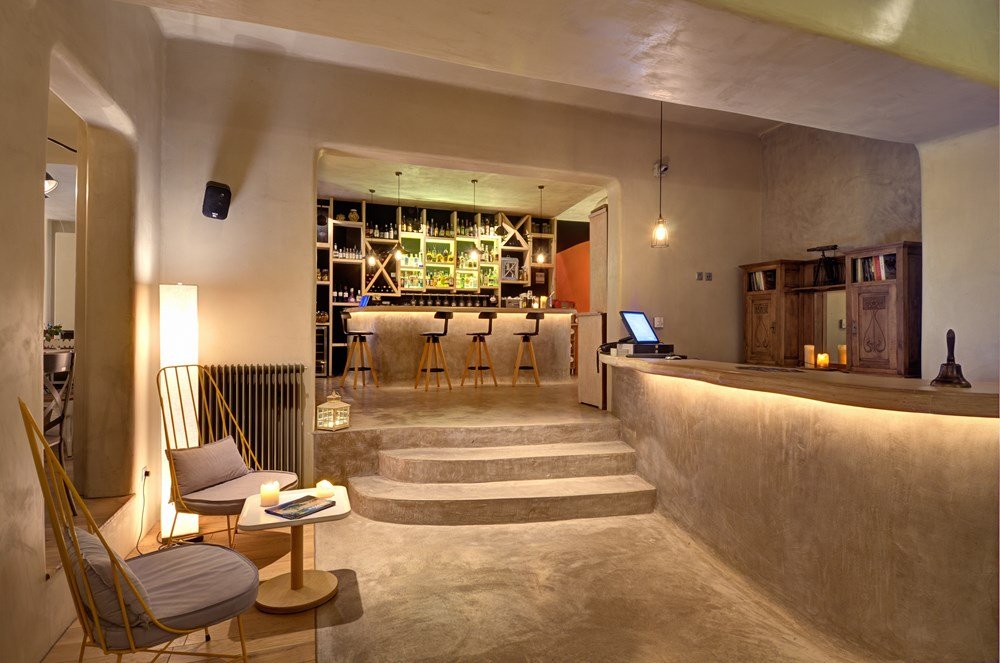
FAIRMATE MICROCRETE is a Unique new age decorative product which suitable for application on Floors, Walls & even on ceilings. The Uniqueness of this product is that it can even be applied to create uniform surfaces with minimum possible number of joints. With the increase of the renovation market this product can be applied directly on existing coverings such as Ceramic Tiles, Mosaic Floors, Wood, Metal, Dry boards & Glass. FAIRMATE MICROCRETE is the product which is available in different color combinations & patterns. The surface finished with FAIRMATE MICROCRETE provides unique architectural look whether it has been applied in Living Room, bathroom, office or kitchen, industrial floor, furniture, external façade. FAIRMATE MICROCRETE can be easily applied upon existing coverings, such as ceramic tiles without removing them, allow us to quickly and easily change the look and shape of our space with low cost and in a short period of time.

USES

FAIRMATE MICROCRETE can be applied as per below described surfaces:

• On internal floors and walls,bathrooms on cement based substrate on floors and gypsum boards on walls.
• On external floors and walls, staircases and external whirlpools.
• On Internal floors and staircases over existing ceramic tile floors.
• On Internal floors and walls over existing ceramic tiles.
• On floors, walls and staircase inside swimming pools.
• Suitable on marble and porcelain sink, office, flower. pot, office, kitchen bench, heating panel and office
produced of cement board.

BENEFITS

• Small application Height.
• High Tensile & compressive strength.
• Available in Variety of Colors & Patterns.
• Can also be applied on existing coverings such as Ceramic Tiles, Wood, Dry Board, Naval Board, Glass etc.
• Available in Variety of Varnish coat finishes.
• Ease of application.
• Excellent bonding on variety of substrates.
• Suitable for application on Floors, Walls & Ceilings.

VISIT: http://www.fairmate.com/