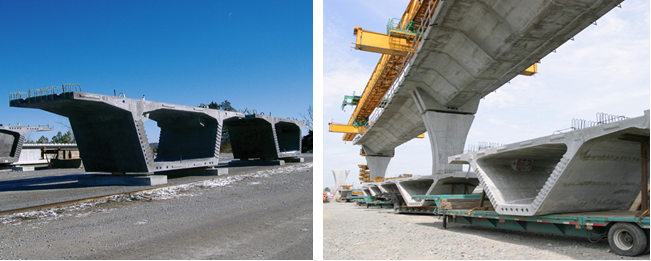


Concrete Admixture Selection for RMC, Precast and Block Manufacturing
Concrete Admixture Selection for RMC, Precast and Block Manufacturing
Introduction
Concrete admixtures are added in relatively small quantities, but their effect on concrete production can be significant. The correct admixture can support workability, pumping, setting control, water reduction, early strength, surface finish and production consistency.
However, the same admixture should not be selected for every concrete application.
Ready-mix concrete transported over a long distance has different requirements from precast concrete that must gain early strength. Similarly, an admixture used for hollow blocks or pavement blocks may not be suitable for reinforced structural concrete.
The right selection must therefore begin with a clear understanding of the application, materials, production process and expected concrete performance.
This guide explains how RMC plants, precast manufacturers, block makers, engineers and contractors can select concrete admixtures more systematically.
What Is a Concrete Admixture?
A concrete admixture is a material added during concrete mixing to modify one or more properties of fresh or hardened concrete.
Depending on the formulation, an admixture may help:
- Improve workability
- Reduce mixing water
- Retain slump for a longer period
- Accelerate or delay setting
- Support early or ultimate strength
- Improve cohesion
- Assist pumping and placement
- Reduce segregation
- Improve production consistency
An admixture should not be treated as a replacement for proper batching, good-quality materials, accurate water control or correct curing. It is one part of the overall concrete-production system.
Start With the Required Concrete Performance
The first step is to define what the concrete needs to achieve.
A production team should ask:
- Is higher initial workability required?
- Must the concrete remain workable during transportation?
- Is rapid setting or early demoulding important?
- Is water reduction required?
- Will the concrete be pumped?
- Is the application reinforced, prestressed or unreinforced?
- Is the concrete being used for blocks, pavers or bricks?
- What early and final strength is required?
- What are the expected weather conditions?
Selecting a product before answering these questions can lead to incorrect dosage, inconsistent performance or incompatibility with the concrete materials.
Admixture Selection for Ready-Mix Concrete
RMC concrete is produced at a batching plant and transported to the construction site. Its main challenges may include transportation time, temperature, pumping, slump loss and delayed placing.
An admixture for RMC should be evaluated for:
Workability Retention
Concrete must remain workable until it reaches the placement location. A rapid loss of slump can make pumping and compaction difficult.
Water Reduction
The required workability should preferably be achieved without uncontrolled additional water. Excess water can alter the designed water-cement ratio and affect concrete consistency.
Pumpability and Cohesion
Concrete intended for pumping needs sufficient cohesion to reduce segregation and improve movement through the pipeline.
Setting-Time Control
The expected journey time, unloading period, ambient temperature and placement method should be considered. A retarding admixture may be useful when the project requires extended workability or where delays could create cold-joint risks.
Fairmate Prashita’s product brochure describes FAIRCRETE R2 as a water-reducing, retarding plasticizer that improves workability, extends initial setting time and supports placing, compaction and finishing. The brochure also lists FAIRFLO as a high-range water reducer and superplasticizer developed to improve workability, cohesion, pumping and concrete density.
The final selection should be verified through laboratory and plant trials using the actual cement, supplementary cementitious materials and aggregates.
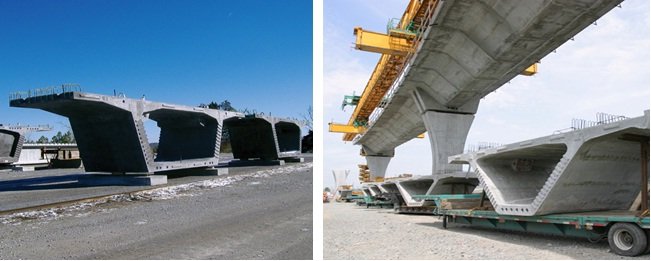
Admixture Selection for Precast Concrete
Precast production often depends on controlled cycles, consistent mould filling, surface finish and early strength.
Important selection factors include:
- Required demoulding time
- Mould complexity
- Reinforcement congestion
- Type of vibration or compaction
- Surface-finish requirement
- Heat or steam-curing process
- Early handling strength
- Chloride restrictions
- Prestressed or non-prestressed application
High-range water-reducing admixtures may help precast manufacturers obtain workable concrete at a controlled water-cement ratio.
The supplied brochure describes FAIRFLO as a chloride-free, high-range water reducer that can be used in precast and prestressed concrete. It also identifies FAIRFLO S Modified as a high-range water-reducing and retarding admixture that supports workability retention, cohesion and pumping.
For rapid production, manufacturers may consider accelerating systems, but the product must be selected according to reinforcement, chloride limitations and technical requirements.
An admixture should never be selected for prestressed or reinforced concrete only because it provides faster setting. Chloride content and relevant project specifications must be checked first.
Admixture Selection for Hollow Blocks, Concrete Bricks and Pavers
Concrete-product manufacturing has different priorities from conventional structural concrete.
Block and paver manufacturers may focus on:
- Mix workability
- Uniform mould filling
- Compaction efficiency
- Edge definition
- Faster setting
- Early handling
- Demoulding cycles
- Production consistency
- Reduced breakage during handling
Fairmate Prashita’s brochure describes FAIRCRETE W as a chloride-based accelerating plasticizer suitable for hollow blocks, concrete bricks, pavement blocks and selected PCC work. It is positioned to accelerate setting and support strength development in concrete-product manufacturing. The stated dosage is 600–1,000 ml per 50 kg of cement.
Because FAIRCRETE W is chloride based, it should not automatically be specified for reinforced or prestressed concrete. Its use should remain aligned with the product data, application requirement and technical recommendation.
The actual dosage for a block or paver plant should be established through controlled production trials considering:
- Cement type
- PPC or OPC characteristics
- Aggregate grading
- Sand moisture
- Water content
- Mixing time
- Vibration and compaction method
- Mould type
- Required demoulding time
- Ambient temperature
Why Cement Compatibility Matters
Concrete admixtures can respond differently with different cement sources.
Changes in cement chemistry, fineness, gypsum content or supplementary cementitious material may affect:
- Initial workability
- Slump retention
- Setting behaviour
- Air content
- Early strength
- Surface finish
- Required dosage
A dosage that performs well with one cement should not be copied automatically when the cement brand or type changes.
Compatibility trials should be repeated whenever there is a major change in cement, fly ash, slag, manufactured sand, aggregate moisture or mix proportion.
Control the Total Water in the Mix
One of the most common site and production errors is adding water without recording it.
Aggregate moisture already contributes water to the mix. Water present in sand and coarse aggregate must therefore be considered during batching.
Before changing the admixture dosage, check:
- Actual moisture in fine aggregate
- Water added at the mixer
- Water added during transportation
- Water added at the site
- Admixture water content
- Required water-cement ratio
An admixture may improve workability, but it cannot correct an uncontrolled batching process.
Conduct a Trial Before Full Production
A proper trial should measure more than the initial slump.
Depending on the application, the trial should evaluate:
- Initial workability
- Workability after a defined period
- Density
- Cohesion and segregation
- Pumping behaviour
- Setting time
- Compaction
- Surface finish
- Demoulding time
- Early strength
- Final compressive strength
- Block or paver breakage
- Production output
For an RMC plant, the trial may need to simulate transportation time. For precast concrete, it should consider mould filling and demoulding. For block manufacturing, the actual production machine and vibration cycle should be used wherever possible.
Avoid These Common Selection Mistakes
Selecting Only by Price
The lowest-cost admixture per litre may not provide the lowest concrete-production cost. Dosage, consistency, cement content, rejection rate and production efficiency also matter.
Using One Product for Every Application
RMC, precast, blocks and structural concrete have different requirements.
Ignoring Chloride Content
Chloride-based admixtures require careful application control and should not be used where chloride restrictions apply.
Changing Water and Admixture Together
When both are changed at the same time, it becomes difficult to identify what caused the performance difference.
Skipping Trials
Technical data provides a starting point, but the actual concrete materials determine field performance.
Concrete Admixture Selection Checklist
Before approving an admixture, confirm:
- Concrete application
- Required workability
- Retention period
- Cement and SCM type
- Water-reduction target
- Setting-time requirement
- Pumping or placing method
- Reinforcement or prestressing
- Chloride restrictions
- Early-strength requirement
- Ambient temperature
- Trial results
- Recommended dosage
- Quality-control method
Request an Admixture Recommendation
The right concrete admixture should support the complete production process—from batching and transportation to placing, compaction, demoulding and strength development.
Fairmate Prashita provides concrete-admixture solutions for RMC plants, precast production, site concrete and concrete-product manufacturing.
Share your application, concrete grade, cement type, required workability, transportation time and production objective with our team to receive suitable product guidance.
Contact Fairmate Prashita
Toll-Free: 1800 571 8862
Website: www.fairmateprashita.com